
Fast, Reliable Attic Insulation Across Good Hope
Attic insulation in Good Hope runs between $1,800 and $4,600 for most homes, with manufactured home retrofits typically landing in the $2,200 – $3,400 range depending on ceiling cavity depth and access. We show up when we say we will, give you a written price before any work starts, and get the job done in a single trip whenever possible. Call (325) 240-5411 for a free estimate.
Good Hope is a small, unincorporated Riverside County community in the San Jacinto Valley, and the homes here are different from what you’d find in Riverside or Moreno Valley. Most of the housing stock is older manufactured and mobile home units with irregular attic cavities, aging belly boards, and minimal original insulation. That’s why our crews treat every Attic Insulation job here as a custom retrofit, not a standard batt installation. Glenn Hartley, who leads our Good Hope service area, has walked plenty of these attics off Highway 74 and the dirt lanes near the San Jacinto River bottom. He knows what works and what doesn’t in these homes.
Key Takeaways
- Typical cost in Good Hope: $1,800 – $4,600 for full attic insulation, $2,200 – $3,400 for manufactured home retrofits
- Most common job type: Blown-in cellulose retrofit into irregular manufactured home cavities
- Biggest local failure: Contractors treating manufactured attics like site-built ones, leaving gaps that let summer heat pour in
- We work on: Manufactured homes, mobile home park units, rural acreage properties, detached workshops
- Response time to Good Hope: Same week for estimates, same day or next day for emergency work when possible
Why Woolsey Attic Insulation Is Good Hope’s Preferred Attic Insulation Company
Homeowners in Good Hope have dealt with contractors who changed the price at the door or never showed up in the promised window. We hear it on almost every first call. Our standing answer is the Kingswell Guarantee: a written price before any work starts, a committed arrival window, a clean job site, and a written guarantee on every job. If it isn’t done right within 365 days, we come back and fix it at no charge. That’s in writing, on every single job, no exceptions.
Our technicians are background-checked and uniformed, so you know exactly who’s walking onto your property off Highway 74 or a gravel lane near the river bottom. Phones are answered by a live person 24 hours a day, 7 days a week. No voicemail maze, no call-back window. Glenn Hartley and his Good Hope crew are local to this area, not driving in from two counties over. Dispatch and scheduling are coordinated from our Inland Empire office, but the people doing the work know Good Hope’s housing stock firsthand.
We work exclusively with attic and spray foam insulation. That focus means we know the trade deeply, and we work with eight leading brands including GreenFiber, Owens Corning, Johns Manville, Knauf, Rockwool, CertainTeed, Icynene, Demilec, and GreenFiber. The material we recommend gets chosen because it fits your home’s specific ceiling cavities and climate demands, not because it happens to be on the truck.
Radiant Barrier in Good Hope
Radiant barrier in Good Hope matters more than in most Southern California markets because summer highs here routinely exceed 105°F, and the sun beats down on attics that can hit 140°F or hotter. A radiant barrier is a reflective material installed across the underside of the roof deck, stapled to the rafters, that reflects radiant heat back out instead of letting it radiate into the insulation below. In a Good Hope manufactured home with minimal insulation, a radiant barrier alone can drop attic temperatures 20 to 30 degrees on a July afternoon. Combined with blown-in insulation, it reduces the cooling load on the home noticeably. A radiant barrier installation in Good Hope generally runs $1.50 to $2.75 per square foot installed, with most attics in the $800 to $1,600 range depending on roof complexity and existing ventilation access.
When It Makes Sense in a Manufactured Home
Manufactured home attics are generally shallow and unvented or under-vented, which means the roof deck radiates heat into the living space almost immediately. A radiant barrier works in that environment because it doesn’t depend on ventilation to block radiant heat. It’s the single most effective add-on for these homes short of a full spray foam encapsulation.
What to Check Before Installing
We walk the attic first to confirm the roof deck is accessible and dry. If there’s old compressed fiberglass up there, we remove it before the barrier goes in. No point reflecting heat away from insulation that’s already failed.
Attic Cleaning Services in Good Hope
Attic cleaning services in Good Hope start with a full inspection of what’s up there, because older manufactured homes in this area tend to collect everything from rodent droppings to decades of blown dust. The job typically involves removing old insulation, debris, and nesting material, then sanitizing surfaces and prepping the attic for new insulation. In Good Hope, attic cleaning usually runs $1.50 to $3.00 per square foot, with a typical single-wide manufactured home landing around $900 to $1,600. Larger rural homes with detached workshop attics can push toward $2,500 if the space has been used for storage for years.
Why Older Manufactured Homes Need It First
These attics often have never been professionally cleaned, and the original insulation is compacted, damp, or contaminated. Adding new insulation on top of that locks moisture in and makes the problem worse. We clean first, then insulate. The order matters.
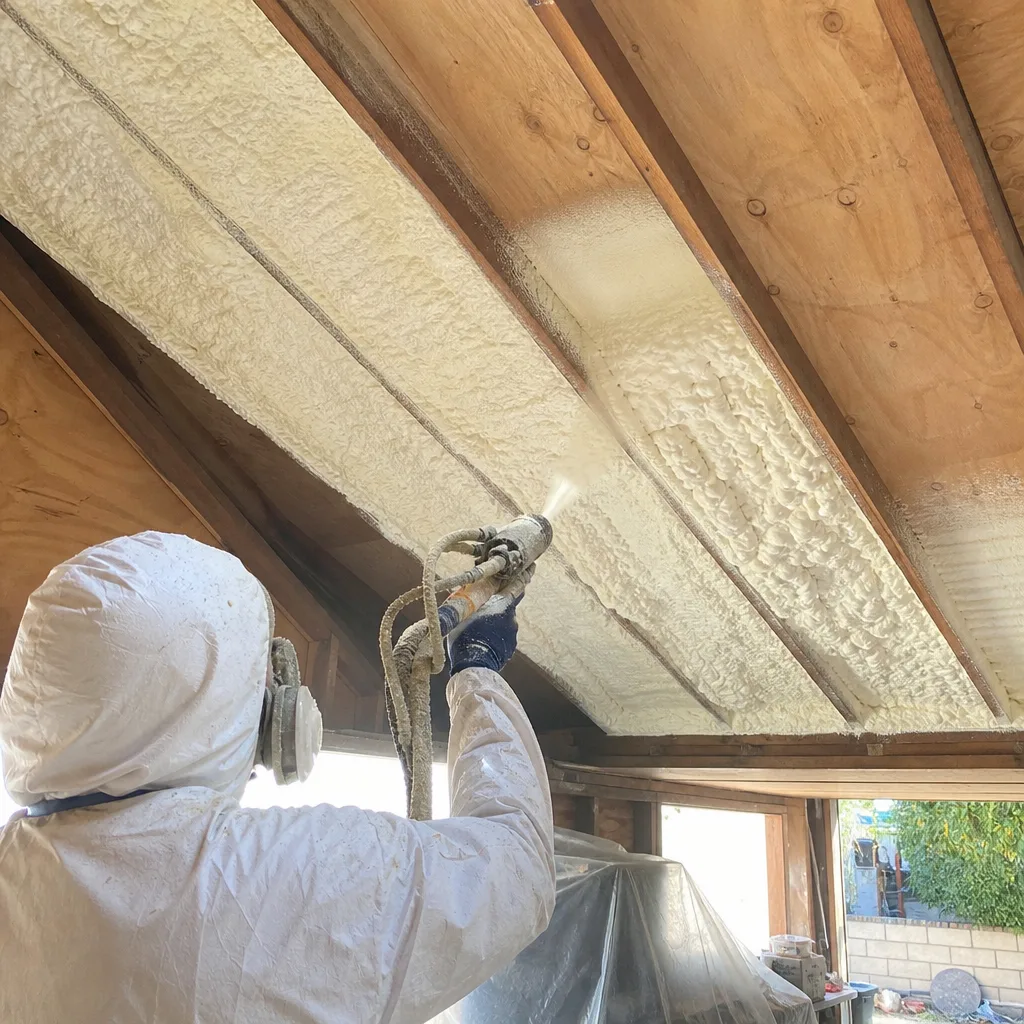
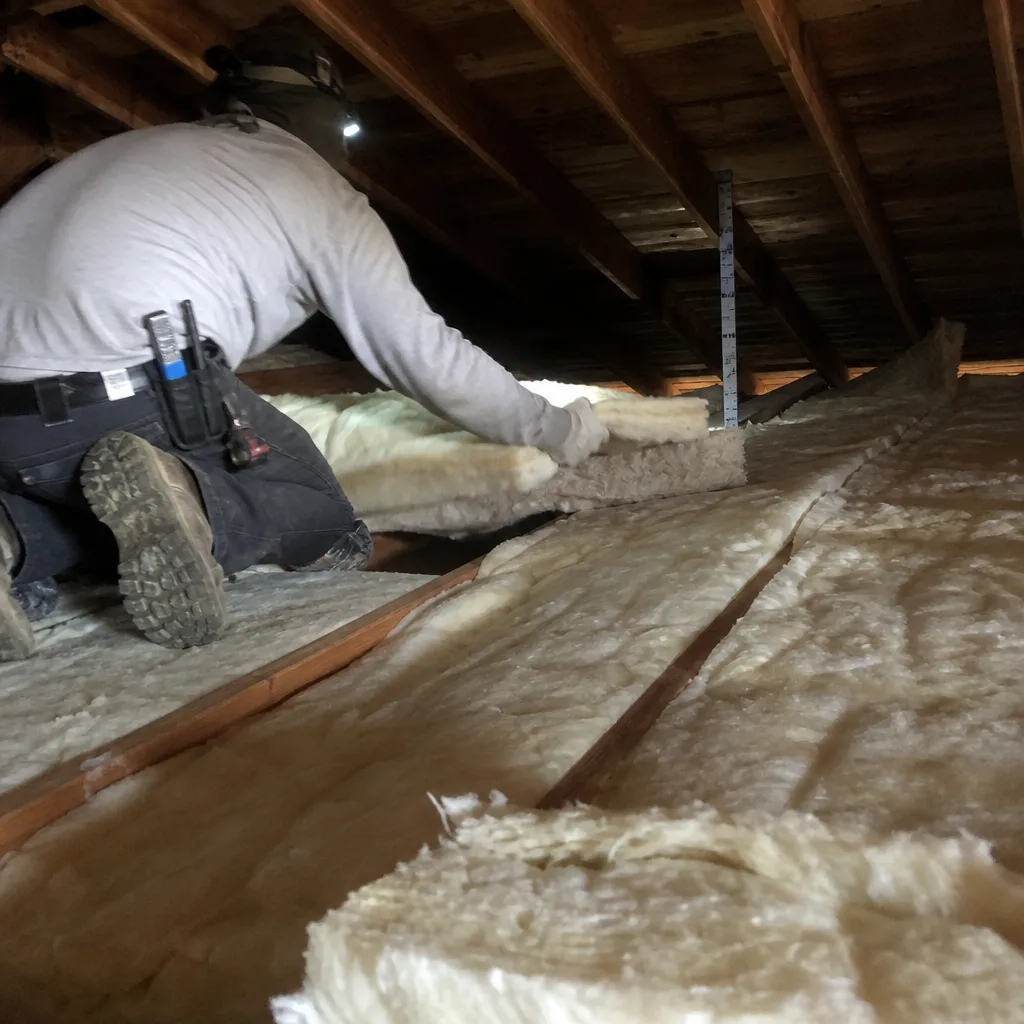
What Gets Removed
Everything that shouldn’t be up there. Old batts, loose fiberglass, rodent droppings, squirrel nests, dead pests, construction debris, and the occasional box of Christmas decorations that got cooked for fifteen summers. We sanitize the deck before any new material goes down.
What happens when you call
- 1
A real person answersNo phone trees - you reach a local pro.
- 2
You get an upfront price rangeHonest numbers before anyone is dispatched.
- 3
A background-checked tech heads outLicensed & insured, dispatched right away.
- 4
You approve before work beginsNothing starts until you say go.
Trusted Brands We Service in Good Hope
We install and service GreenFiber, Owens Corning, Johns Manville, Knauf, Rockwool, CertainTeed, Icynene, Demilec, and GreenFiber products, which means Good Hope homeowners get a material recommendation that matches their actual attic, not whatever the crew brought on the truck. GreenFiber blown-in cellulose is a frequent recommendation for the area’s manufactured homes because it densely packs irregular cavities and air-seals as it settles. Owens Corning and Knauf batt products work well in the few site-built homes and detached garages that have standard joist spacing. We stock parts and materials for quick turnarounds on Good Hope jobs, and if you need a specific brand matched to an existing installation, we can source it.
Common Attic Insulation Problems We See in Good Hope Homes
Good Hope’s older manufactured homes often lack consistent attic cavity dimensions, ceiling joist spacing, and vent layout. That means attic insulation installs here require a pre-job walk-and-probe to determine whether the ceiling deck can support dense-pack or whether vent baffles must be custom-cut on site. Treating one of these attics like a site-built home is exactly what causes failures. Here’s what we routinely find:
- Gap-filled batts over irregular joist bays. Standard batt insulation won’t fit the odd joist spacing in an older manufactured home, so contractors stuff it in anyway and leave gaps. Those gaps let 105°F summer heat radiate straight into the living space. We cut batts to fit or switch to blown-in cellulose that conforms to whatever cavity shape exists.
- Sagging or improperly patched belly boards. The belly board under a manufactured home holds floor insulation in place. When it sags, tears, or gets patched badly, cold winter air and sun-baked ground heat pull into the floor cavities. The attic insulation can look fine while the thermal envelope fails from below.
- Compressed insulation from moisture. Many Good Hope homes have undersized or blocked attic venting, so moisture builds up and compresses whatever insulation is up there. R-30 batts can lose half their effective value within a season. We address venting before replacing any insulation.
- No insulation at all in detached workshops. Rural acreage properties frequently have detached shops or garages that never got insulated. Owners add a heavy roll-up door and wonder why the shop is 110 degrees in August. These spaces need their own insulation plan, and often air sealing the top plates matters more than the insulation itself.
One job that sticks with us: a 1970s manufactured home off a dirt lane near the San Jacinto River bottom. The owner had added a detached workshop with a heavy roll-up door, and the attic had been improperly patched with loose batts over a sagging belly board. We air-sealed the top plates, installed custom-cut baffles, and blew in GreenFiber cellulose to a uniform R-value while keeping the shop’s heavier-duty framing isolated from the house attic. That’s the kind of job Good Hope throws at you regularly, and we were glad to get it sorted in one trip.
Pricing for Attic Insulation in Good Hope, CA
A typical full attic insulation job in Good Hope runs $1,800 to $4,600. Smaller manufactured homes with straightforward single-wide attics can come in around $1,800 to $2,500. Larger double-wides or rural homes with detached workshops push toward $3,500 to $4,600. Blown-in cellulose retrofit for a typical Good Hope manufactured home runs $2,200 to $3,400, including clean-up and disposal of the old insulation if needed. Attic cleaning before insulation adds $900 to $1,600 for a single-wide. Radiant barrier installation runs $800 to $1,600 for most attics. The exact number depends on square footage, cavity depth, access difficulty, and whether old insulation has to come out first. You get a written price before any work starts, every time. Call (325) 240-5411 for a free estimate.
We Also Serve Cities Near Good Hope
If you’re looking for attic insulation beyond Good Hope, we handle jobs in Los Angeles, San Diego, San Jose, and San Francisco. Each area has its own housing stock and climate quirks, so the approach gets tailored city by city. The Kingswell Guarantee travels with us: written price, committed window, written guarantee. Call (325) 240-5411 to check availability in your area.
Serving Good Hope, CA - Our Local Coverage Area
We’re based in the Good Hope area and know this community well. Use the map below to see our service coverage - if you’re nearby, we can almost certainly help.
FAQs About Attic Insulation in Good Hope
Yes. In most Good Hope manufactured homes, we access the attic through an existing hatch and blow in cellulose or dense-pack fiberglass without touching the ceiling. If the ceiling deck is too thin to support dense-pack weight, we switch to a lighter material or go in from the roof side. Call (325) 240-5411 and we can tell you what your specific home needs after a walk-through.
Good Hope sits in the inland San Jacinto Valley at roughly 1,500 feet elevation, where summer highs top 105°F and winter nights drop near freezing. Coastal cities rarely see either extreme, so their insulation has one job. Yours has two. That dual-season demand means under-insulated attics here cost you money all year, not just in August. A properly insulated Good Hope attic reduces cooling load in summer and holds heat in winter.
The most common issue is a detached workshop or garage that was never insulated, combined with a house attic that got a half-hearted batt job years ago. The shop cooks in summer and freezes in winter, and the house attic has gaps everywhere. We treat the shop and the house as separate thermal envelopes and size the work accordingly.
Yes, we install radiant barriers as a complement to insulation, especially in manufactured homes with shallow, unvented or under-vented attics. The barrier reflects radiant heat before it reaches the insulation, which keeps the whole attic cooler. The combination of a radiant barrier and blown-in insulation is one of the most effective upgrades for a Good Hope summer. We give you one written price for the whole scope.
We remove everything first: old batts, loose fiberglass, rodent waste, nesting material, debris. Then we sanitize the deck and check for moisture or structural issues. Only then does new insulation go in. Skipping the cleaning step is how you end up with damp, compacted insulation that fails within a season. We do it right because the 365-Day Done Right Promise means we’d have to come back and fix it anyway if we didn’t.
Wool was the first insulation. Woolsey keeps the idea in the name. If you live in Good Hope and your attic hasn’t been looked at in years, call (325) 240-5411. We’ll quote a written price before any work starts, show up in the window we give you, and leave the attic cleaner than we found it.
Written by Glenn Hartley, Owner at Woolsey Attic Insulation, serving Good Hope and the San Jacinto Valley.